0808 144 4343
 Showrooms
 Contact Us
 Wish List
Travel & Sleep
Why We Sleep Differently on Holiday
by Dr Lindsay Browning
There are few things quite like arriving somewhere new. A beautifully considered room, a different view from the window, days that unfold at a different pace. Yet however comfortable the surroundings, sleep does not always follow quite so easily.
Our bodies become accustomed to the particular details of home: the feel of our bed, the weight of our bedding, the sounds around us and the routines that signal the end of the day. Somewhere new, even somewhere exceptionally comfortable, those familiar cues are suddenly different.
Dr Lindsay Browning, psychologist and sleep expert at And So To Bed, explains why the first night away can feel different, how our surroundings influence the way we sleep and what can help us settle more easily when travelling.
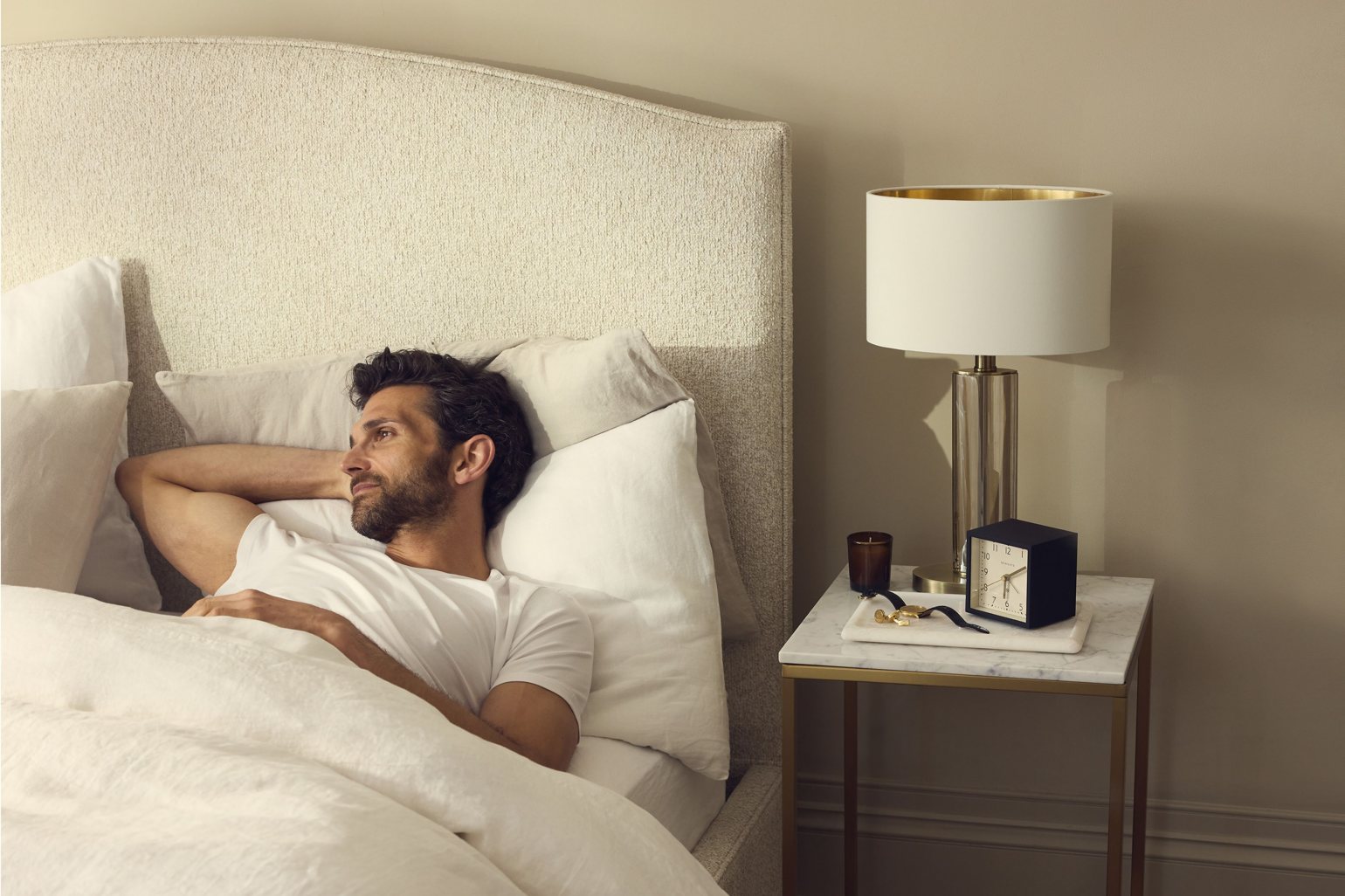
Why can we struggle to sleep somewhere new, even when we’re exhausted?
People don't sleep as well when they feel anxious or threatened. Therefore, sometimes when we sleep away from home, we may feel unsure of our surroundings and feel on heightened alert due to the unfamiliar surroundings. This can result in worse sleep due to increased vigilance. Also, you may find that your hotel bedroom is not as comfortable as your bedroom at home when you have chosen the mattress, pillows and bedding to suit your sleeping style.


What is the ‘first-night effect’, and why does it happen?
As explained above, people tend to sleep less soundly during the first night, taking longer to fall asleep and with more wakefulness during the night, perhaps as people are more vigilant about the unfamiliar environment.
How much does familiarity influence the way we sleep?
Having a consistent pre-bed routine can help us to feel psychologically ready for sleep. Therefore, when you are in an unfamiliar environment and unable to have your same pre-bedtime routine, you may not feel as psychologically ready for sleep. Also, familiar surroundings may help us to feel safer, compared to novel and unfamiliar environments.
Why do we notice unfamiliar sounds, light and temperature more when we’re away?
When we get used to sleeping at home, we typically get used to the noises that we regularly hear throughout the night, whether that's the heating clicking in, the neighbour's dog barking or other people in the house, and these noises tend to not disrupt our sleep as much. Whereas, when we travel, the noises we hear may be unfamiliar and our brain is more likely to notice them and potentially view them as a threat. This is also why sleeping with a new bed partner may be difficult to begin with because we're not used to their noises and may find our sleep disturbed, but once we've got used to sharing a bed with them, our brain recognises these noises as familiar and less of a threat during the night.

What happens to our sleep when we travel across time zones?
When we travel, we may be eating at new times, waking up extra early or going to bed later than usual, and also potentially changing time zones. All of these things can affect our sleep. When we change time zones, especially when travelling east, our body clock can become misaligned and we may find it harder to fall asleep at the time we want to.
How can we bring a little of our usual sleep routine with us?
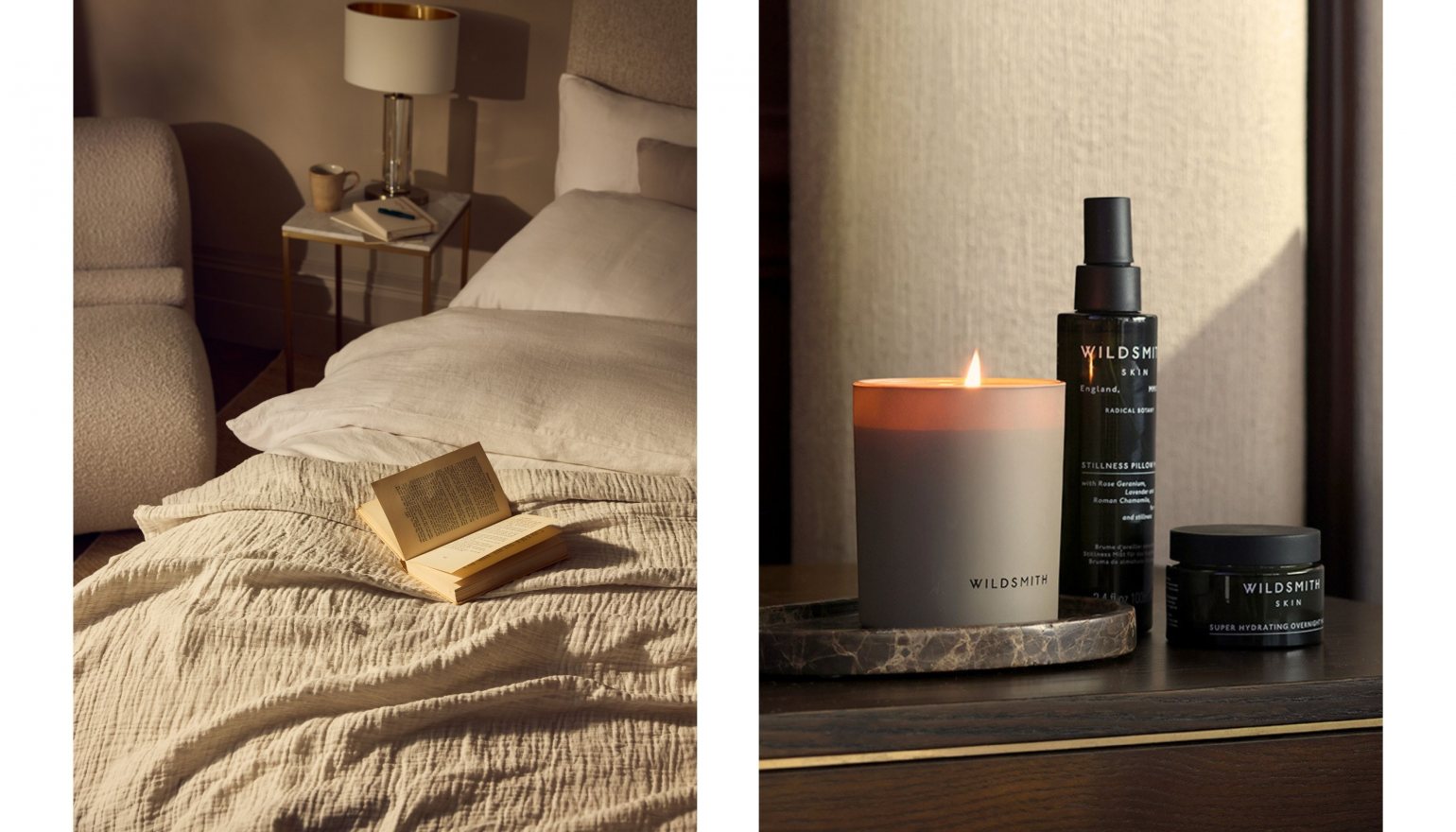
If you can, bring something familiar from home when you travel to help have a sense of familiarity in an unfamiliar location. Small things that you can travel with that could help bring a familiar thing from home would include taking the same brand of sleepy tea that you always drink before bed, or the same pillow spray that you regularly use, or even go so far as to travel with your own pillow with you. Bringing an eye mask can help if the hotel room is too bright.
Are there any habits that can make sleeping well while travelling more difficult?
Even though alcohol is a sedative and can help you fall asleep more quickly, it fragments sleep leading to a worse quality night's sleep overall. Also, long lie-ins or naps late in the day can reduce sleep pressure and make it harder to fall asleep at night.
How quickly do we adjust to sleeping somewhere new?
This is a very difficult question to answer as it varies greatly from person to person. However, when sleeping in a new environment, we typically experience the greatest disturbance on the first night. If we are dealing with jetlag at the same time, it can take even longer to adjust, depending on the number of time zones crossed and the direction of travel.


What is the best way to reset after a few nights of poor sleep?
Don’t expect to catch up all in one go. Instead, try to return to a relatively consistent wake up time, and allow yourself enough opportunity to sleep and a few days to recover.
What is the one thing to remember if you don’t sleep well away from home?
Try not to panic about sleeping away from home. It's natural to not sleep as well, at least initially, but that doesn't need to stop you going away on holiday. Even if you have a poor night's sleep for the first few nights, you will likely cope with less sleep in the short term. You don't need to have perfect sleep every night to be able to enjoy your holiday.
For more insight from Dr Lindsay Browning, discover Sleep is a Superpower, exploring the role sleep plays in how we think, feel and perform.
-
Posted by Dr Lindsay Browning
12th August 2026