0808 144 4343
 Showrooms
 Contact Us
 Wish List
Warmer Nights, Lighter Sleep
As the air begins to warm, many people notice subtle changes in how easily they fall asleep or how refreshed they feel in the morning. Seasonal shifts can have a surprisingly powerful influence on sleep patterns, affecting everything from our circadian rhythm to the environment in which we sleep.
Here, Dr Lindsay Browning explores some of the most common seasonal sleep disruptions and shares practical ways to help your body adjust.
Rising Temperatures
Rising temperatures can disrupt sleep because when our bedroom is too hot, we may struggle to drift off to sleep or wake up overheating and feeling hot and sweaty.
One study revealed that 4 in 10 Brits don’t sleep well on an average night, and over half of gave heat as the most common reason for sleeplessness.
As we fall asleep our core body temperature naturally drops by around one degree Celsius. When the bedroom is too hot, you may struggle to cool down, which makes falling asleep and staying asleep much harder. The ideal bedroom temperature is around 16-19 degrees, but this does differ for each person. With increasing temperatures outside, this can mean that the bedroom becomes hotter than ideal.
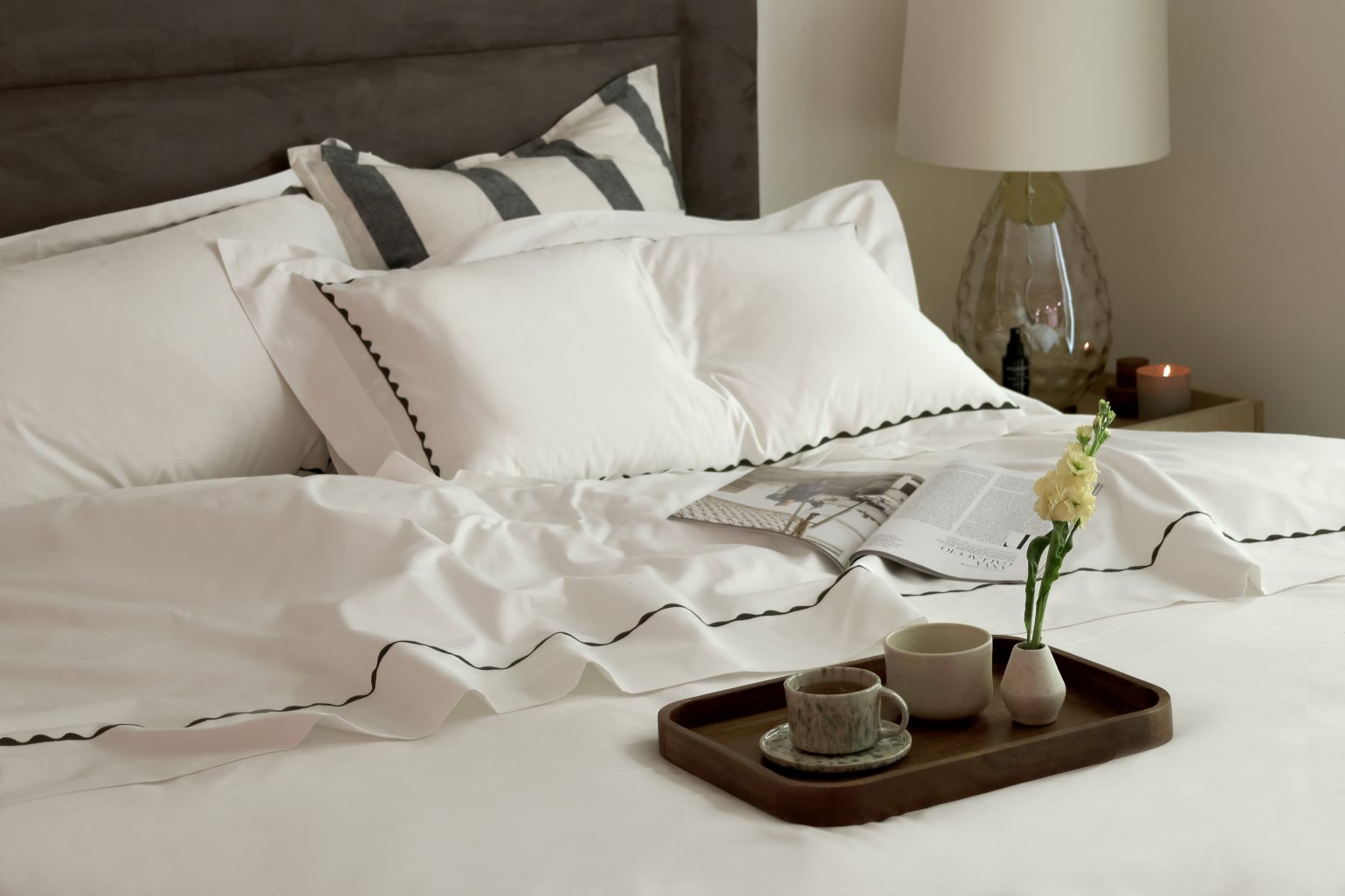
To help keep your cool, consider changing your duvet to a lighter tog. Use breathable fabrics for your bedding and pyjamas to allow air to flow, and choose a mattress that also allows airflow through it so that you don’t overheat during the night. Also, you might want to sleep with the bedroom window open to allow air to flow during the night, but bear in mind this might lead to noises from wildlife overnight or neighbours and traffic if you live in a city, and can also allow pollen and other allergens in during the night, which might be an issue if you struggle with hayfever.

Pollen and hayfever affecting sleep
Hayfever can have a significant effect on sleep in spring, especially if pollen makes its way into the bedroom. Nasal congestion, sneezing, itchy eyes and a blocked nose can all make it harder to get comfortable and stay asleep through the night.
To reduce the build-up of allergens, it is important to clean your bedroom regularly. Vacuum carpets and your mattress, wash bedding frequently, and dust furniture so that pollen and dust don’t accumulate. It’s also a good idea to avoid wearing daytime clothes in bed, as these may be carrying pollen from outside. Changing into clean nightwear before bed can help reduce the amount of pollen transferred onto your bedding.
A shower before bed can also be very helpful, as it washes pollen from your skin and hair before it’s transferred onto your pillows and bedding. As an added benefit, a cool, rather than cold, shower can also help lower body temperature slightly, which may make it easier to fall asleep on those warmer spring evenings.
Although it might be tempting to open windows and doors to let in fresh air, this can allow pollen to blow in and settle on bedding, soft furnishings and clothing. If hayfever is affecting your sleep, it is usually better to keep windows closed, especially when pollen counts are high.
If you have pets, it might help to keep them out of the bedroom if you suffer from allergies. Pet hair and dander can add to the allergen load, and pets might also carry pollen indoors on their fur.
 - Edited.jpg?t=1779980816)

Longer daylight hours
As the days get longer, this can mean that the sun rises or sets when we are trying to sleep. Early morning sunshine may wake you up earlier than you would like to, while brighter evenings can make it harder to feel sleepy at bedtime.
To reduce disruption, make sure that your bedroom is dark enough. Make sure that you have thick curtains, or you could even use blackout blinds to minimise external light which could disturb your sleep. If you don’t want to replace your curtains, you could consider using an eye mask to help block out the light. An eye mask can also be very helpful when travelling in unfamiliar hotel rooms where you might not know how efficient the curtains are, or even to use when camping. In the evening, try dimming the lighting in your home, as bright lights can suppress melatonin, the hormone that helps signal to our body that it’s time to sleep.
Discover more expert advice on seasonal sleep changes in the Spring Sleep Reset.
-
Posted by Dr Lindsay Browning
26th May 2026