0808 144 4343
 Showrooms
 Contact Us
 Wish List
Sleep as They Grow
Understanding Children’s Changing Sleep Needs
by Dr Lindsay Browning
Sleep is fundamental for everyone, and especially for children. I am Dr Lindsay Browning, and I work with children, teenagers and parents as well as leading private and boarding schools to help young people understand and improve their sleep. In this blog, I will share with you some of the top ways you can help support your child to get the best night’s sleep possible.


Why is sleep important for children?
Sleep isn’t simply downtime, when your child with boundless energy takes a short break from asking you questions! It’s an active time supporting their learning, emotional regulation, memory, physical growth as well as their overall health.
Sleep significantly changes as children grow, as do the problems that they face with their sleep. The sleep of a healthy teenager is dramatically different to that of a healthy four-year-old. In this article I’ll outline typical sleep problems that I regularly see and ways that you can help support your child as they grow.
How much sleep do children need?
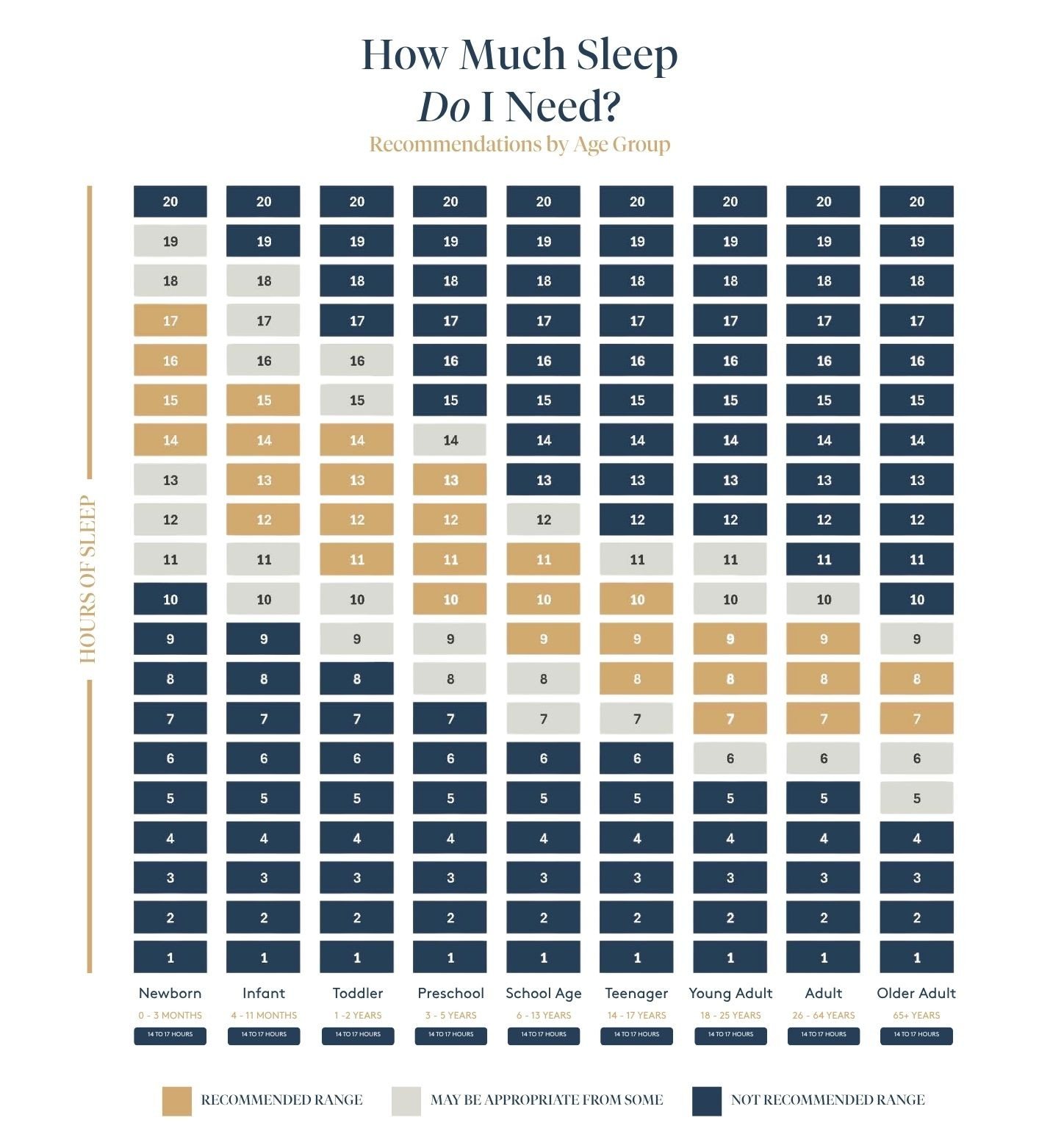
How much sleep children actually need tends to change as they get older. Although there isn’t a set amount of sleep that each child needs, generally speaking the older the child gets the less sleep they need. A recent 2026 review by the National Sleep Foundation looked at the last decade of research and reaffirmed its guidance on how much sleep children should be getting.
· Newborns 0-3 months: 14-17 hours
· Infants 4-11 months: 12-15 hours
· Toddlers 1-2 years: 11-14 hours
· Preschoolers 3-5 years: 10-13 hours
· School aged children 6-13 years: 9-11 hours
· Teenagers 14-17 years: 8-10 hours
These are general recommendations though and some children may need a little more or a little less sleep.

How does sleep change?
Babies get their total daily sleep needs during the daytime (typically through several naps) as well as at night. As children grow, these daytime naps gradually reduce and sleep becomes increasingly consolidated overnight.
Another major change with children’s sleep tends to happen during adolescence. When children approach their teenage years, there tends to be a biological timing shift with teens wanting to fall asleep later and wake up later (a delayed circadian phase). In my work with schools, I often see how the combination of later bedtimes, homework, early school starts, sport and extracurricular activities can lead to sleep loss. Teens are often labelled as lazy because they sleep in so late at the weekends, but typically this is reflecting their delayed circadian phase and they may be catching up on chronic sleep deprivation during the week.
Where possible teenagers should be encouraged to get enough sleep during the week rather than becoming sleep deprived during the school week and relying on catch-up sleep at the weekend.


How can we help children get enough sleep?
There are a few common problems that disrupt children’s sleep.
- Encourage spending time outdoors being active. Spending time outdoors being active during the day may support better sleep. I often see children get out of the habit of physically going outside at the weekend and during school holidays, since the lure of gaming and screens can be very tempting! Where possible, encourage your children to get outside every day to spend time in natural daylight and to do something physically active.
- Avoid sleep procrastination. This is probably the biggest issue I see with teenagers. Scrolling through phones in bed or watching videos late at night can push bedtimes far later, reducing sleep opportunity. Leaving phones and devices downstairs overnight can be therefore very helpful, to help reduce the temptation to stay on devices long after bedtime, resulting in sleep deprivation. It can also help to minimise using screens and technology which are particularly activating in the hour before bedtime.
- Avoid caffeine in children. Caffeine can make it much harder to fall asleep, therefore discuss with children, particularly teenagers, the impact that caffeine in energy drinks may have on their sleep.
- Adapt bedtimes and pre-sleep routines as children age. One very common problem that I see with children is that they are being put to bed and expected to go to sleep at the same time they always went to bed, despite the fact that they are several years older. A 12 year-old will not likely need as much sleep as they did when they were 5 years old. Don’t be afraid to adjust bedtime and wake times as the children get older, otherwise the child may be going to bed much earlier than they need to, leading to unnecessary tossing and turning because they simply don’t need that much sleep. Also, remember that sleep needs are individual and even children of the same age may not need exactly the same amount of sleep as each other.
- Inconsistent sleep times. Children and adults tend to sleep better when they go to bed and get up at a fairly regular time. Try to avoid huge swings in wake up times at the weekend compared to the school week and encourage children to get enough sleep regularly rather than needing to recover from weekday sleep deprivation at the weekend. Keeping wake times and bedtimes reasonably consistent doesn’t mean it has to be exactly the same time of course. Allow normal flexibility, just try to avoid large changes.
- Avoid bedtime battles. As much as parents may want their child to go to bed and go to sleep at a particular time (We’ve all been there! At 8pm many parents are “done” and need some grown-up time), sleep can’t be forced. Sometimes children may not be ready to go to sleep at a specific bedtime. Instead of trying to insist the child go to sleep at a particular time, encourage them to stay calm in their room and give sleep a chance. However, if sleep simply won’t happen then encourage them to stay calm in the bedroom and do something relaxing for a little while before trying to go back to sleep again. Some helpful things to occupy this time would be doing some relaxation or breathing activities, reading a book or doing some colouring for a little while. These things are much more helpful instead of lying in bed becoming increasingly frustrated or anxious about being unable to sleep. Reiterate that it’s not a good idea to reach for a phone or device if you can’t sleep, because that can lead to prolong wakefulness.
- Have a good bed environment. Keep a reasonably dark bedroom with thick curtains that can block out most of the sunshine and outdoor lighting. Reduce unnecessary standby lights from computers and charging devices overnight. Where possible, keep the bedroom quiet and try to reduce disruptive noises were possible. Keep a comfortably cool bedroom and use breathable bedding. Lastly, a comfortable mattress and bed are important for a good night’s sleep. This may be particularly something to look at if your child has grown significantly since you bought their bed. For babies, make sure that you follow the recommended guidance for safe sleeping. They should have a firm, flat sleep surface avoiding pillows cot bumpers, loose or bulky bedding which could create safety issues


When to seek help
There are some times when general sleep hygiene is not enough. If your child has been struggling with their sleep for a while and it’s affecting their mood, behaviour or ability to function, then you should speak to healthcare professional. If your child has excessive daytime sleepiness, this should be investigated to see if there is something else causing their daytime fatigue. Also, if you notice loud snoring, gasping, choking or pauses in your child’s breathing at night, this may be a sign of sleep apnoea and may need medical assessment and treatment.
References:
https://www.thensf.org/how-many-hours-of-sleep-do-you-really-need/
https://www.sleephealthjournal.org/article/S2352-7218(26)00106-3/fulltext
About Dr Lindsay Browning
Dr Lindsay Browning is And So To Bed's Sleep Ambassador, a chartered psychologist, neuroscientist and sleep expert with a doctorate in insomnia from the University of Oxford. Author of Navigating Sleeplessness, she specialises in evidence-based sleep advice and Cognitive Behavioural Therapy for Insomnia (CBT-I), helping people achieve better sleep through expert guidance and practical advice.
-
Posted by Dr Lindsay Browning
1st September 2026