0808 144 4343
 Showrooms
 Contact Us
 Wish List
How to Protect Your Sleep This Festive Season
Expert Insights from Dr Lindsay on How to Minimise the Impact of Late Nights
This season is normally a moment for celebration, family and friends. But for many of us, it’s the time we end up burning the candle at both ends with our routines unravelling. Social calendars fill, to-do lists multiply, bedtimes drift later, the festive drinks start to flow, daylight hours shrink, and suddenly we’re running on empty, while still expected to be merry and bright.
To help you navigate the season without sacrificing your sleep, we asked our in-house sleep expert, Dr. Lindsay, to share her expert, science-backed advice on managing sleep during this uniquely demanding time of year.
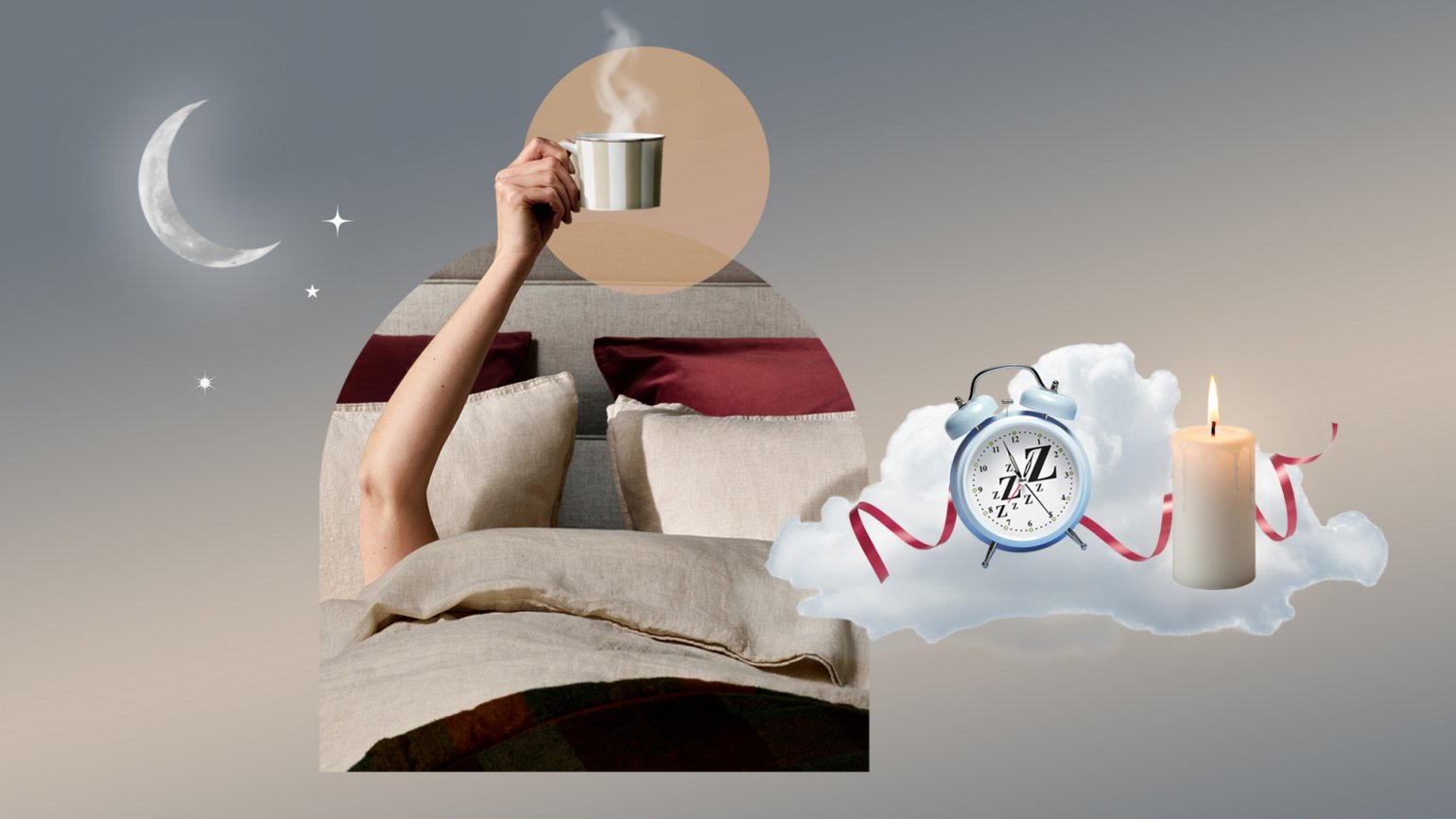
What typically happens to our sleep during this busy festive period? How can we prevent or minimise the impact?
During the festive period, many things can impact sleep - from late-night socialising, eating rich foods especially late in the evening, drinking alcohol, additional stress (as we try to juggle getting ready for Christmas, work and attending festive events) as well as the fewer daylight hours of winter. These can disrupt the body clock and lead to sleep loss and broken sleep. Many people also feel more tired during the day as a result.
Drinking too much caffeine or alcohol close to bedtime and eating rich foods such as cheese and large meals too close to bedtime can make it harder to fall asleep and stay asleep. One of the best things you can do to help is to keep a fairly regular wake up time irrespective of your changing bedtimes, which will help to anchor your circadian rhythm.
Getting daylight exposure during the day, especially first thing in the morning, can help to wake up feeling more alert, and a morning cup of coffee might help you get going for the day without affecting your sleep at night.
We’ve enjoyed a week of late nights celebrating with friends and family, plus early starts the next day, how can we minimise the disruption to our sleep?
You can't fully catch up on lost sleep, so accept that a reduced amount of total sleep is unavoidable if you're having a week of late-night celebrating. You may feel a bit more tired, but it's normal and only a temporary issue.
Avoiding alcohol too close to bedtime can help to minimise any sleep fragmentation the alcohol causes. Also, remember that if you finish a late-night social event and come home still quite wired, you can't just switch off your brain and fall instantly to sleep. Even on a late night, give yourself a brief wind down time before bed to help you de-stress and relax before sleep.
Having a consistent pre-sleep routine (such as drinking a sleepy tea, listening to relaxing music or reading a book) before bed can help signal to your brain that sleep is coming, at whatever time you want to sleep.
How does alcohol disturb sleep quality?
Although many people think alcohol is good for sleep because it helps you to fall asleep quickly, it affects the quality of your sleep. Particularly, alcohol disrupts REM sleep, causing you to wake up frequently in the second half of the night, as well as worsening snoring or sleep apnoea. Try to alternate alcoholic drinks with water to help stay hydrated and try to limit alcohol consumption too close to bedtime.
From your own experience, how do you personally limit the impact of a few late nights or a week of disturbed sleep?
Firstly, I understand that during the festive period I won't be getting as much sleep as usual due to events like late night parties, midnight mass and New Year's Eve, which all mean later bedtimes than usual. However, rather than worrying about this, I remind myself that it's just a part of normal life and focus on getting back to normal once the busy period is over. I may have a brief afternoon nap (ideally a 20-minute nap at around 1 or 2 pm) which helps with daytime alertness without affecting my nighttime sleep. I also try to reduce excess alcohol consumption by alternating alcoholic drinks with an alcohol-free option (zero lagers or a glass of water) and having some alcohol free evenings.
After ‘burning the candle at both ends’, what are your key steps for getting sleep back on track?
If you have gotten used to going to bed late, then don't expect to fall asleep easily when you start going to bed at your usual, much earlier time. Your circadian rhythm needs time to adjust. Give yourself a few days to adjust and your sleep should start to go back to normal. Having a regular wake up time seven days per week helps to stabilise the circadian rhythm and having a consistent wind down routine before bed helps me get in the right frame of mind for sleep.
For me, I always have a cup of sleepy tea before bed, I read some of my current book, and I use a lavender pillow spray on my pillow as my consistent pre-bedtime rituals to help signal to my brain that sleep will be soon.
Also, I know that I feel physically and mentally better when I exercise regularly, and therefore when the busy festive period is over I'll get back to prioritising regular exercise again. Exercise is not only associated with better physical and mental health but also better sleep.
I also prioritise getting outside as much as possible to get natural daylight exposure, which is especially important during the winter months with its reduced daylight hours. Natural daylight exposure is vital to help us feel more awake and alert during the day and help us sleep better at night.
At And So To Bed, we believe your bedroom should be your sanctuary, a cocoon of calm where you can retreat, reset and restore, especially during the festive whirlwind. Creating a nurturing sleep space allows you to drift back into a deeper, more restorative rhythm long after the decorations are packed away. To help you create the perfect sleep haven, book a free sleep expert consultation with one of our experts and discover your ultimate comfort.
About Dr. Lindsay Browning
Since February 2019, And So To Bed has been proud to work with our in-house sleep expert, Dr Lindsay Browning, author of Navigating Sleeplessness and founder of troublesleeping.co.uk. An expert in her field, Dr Lindsay is here to help you achieve “the finest night’s sleep.”
A Chartered Psychologist and Associate Fellow of the British Psychological Society, Dr Lindsay obtained her doctorate from the University of Oxford, where she investigated the relationship between worry and insomnia. She works with individuals, organisations, and hotels to offer sleep consultancy and tailored sessions, helping people of all ages sleep better.
For more of our latest blogs on sleep advice information and articles, visit our Sleep Talk page.
-
Posted by Hannah Nichols
8th December 2025